AI face shape detector vs beauty apps
You may see face shape tools inside large beauty suites and inside focused styling apps. Both can help-but they optimize for different jobs. Here is how to choose without treating one as "wrong."
What Is Option A: Full Beauty and Makeup Apps?
Full beauty apps (virtual makeup, filters, retouching) sometimes include face shape or face analysis for recommending looks. Use cases: try lipstick shades, contour presets, and social sharing with AR effects.
What Is Option B: Focused Face Shape Detector Apps?
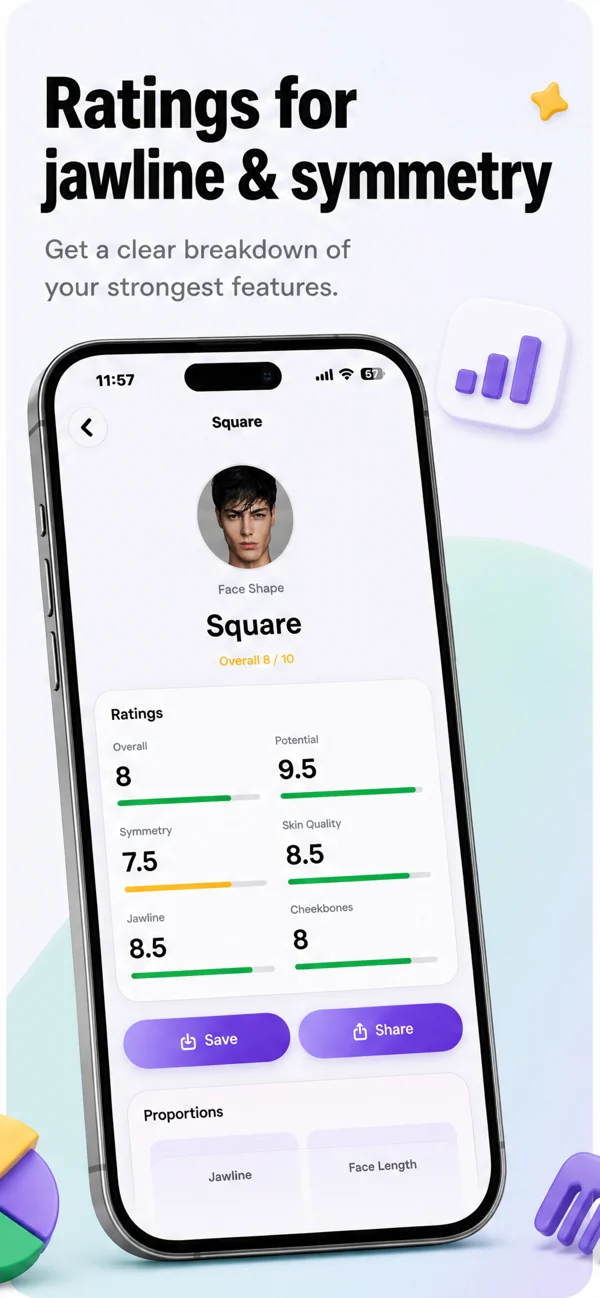
Focused apps like MyFaceShape prioritize classifying seven shapes, feature scores, glasses and hair guides, glow-up routines, and coaching. Use cases: haircut planning, frame shopping, tracking styling habits.
How Do They Compare?
| Dimension | Beauty suite | Focused detector |
|---|---|---|
| Primary goal | Try-on and edit looks | Measure shape and plan styling |
| Shape depth | Often secondary feature | Core workflow |
| Coaching | Look-specific tips | Habits, streaks, AI coach |
| Output | Filtered images | Labels, scores, guides |
| Best for | Makeup experiments | Hair, glasses, routines |
When Should You Use Which?
Use a beauty app when you want AR makeup or photo editing. Use a face shape detector app when you need a clear label and proportion explanation before a haircut or glasses purchase. Many users start with detection, then try looks elsewhere.
Which Tools Fit Each Job?
Large beauty platforms for try-on; MyFaceShape for seven-shape detection, glasses guides, and hairstyle guides.
Conclusion
They complement each other: detection plans the frame; beauty apps paint the picture. Pick the tool that matches today's task.
More Questions
Does MyFaceShape work without an account?
Yes-no email sign-up is required. An anonymous device identifier may limit free scans per privacy policy.
Where is analysis performed?
In the mobile app via cloud AI over HTTPS-not on this marketing website.
How MyFaceShape helps
MyFaceShape is a face shape detector app: take or upload a selfie, crop your face, and get one of seven shapes with confidence, measurements, feature scores, and matched glasses and hairstyle guides.